- Browse Categories
- YQFH Drone
- DJI Drone
- Other Drone
- Drone Payloads
- Robot
- Pipeline Detection Instrument
- 3D Laser Scanner
- Industrial Measurement Devices
- Weather Station Series
- Optical Survey Instruments
- GNSS RTK & CORS System
- BDS System Products
- Visual Displacement Monitoring System
- UWB Indoor Positioning System
- Hydrology Products
- Others
- Spectrometer
- Wet Blast Machine
- SDI Soil Tester
- Pengjin Smart Flying Drone Patrol and Inspection System
- Supercomputing
- Module
- Viscometer
- Electric Hygro-thermograph
- Echo Sounder
- Processing Software
- Keson Measuring Tools
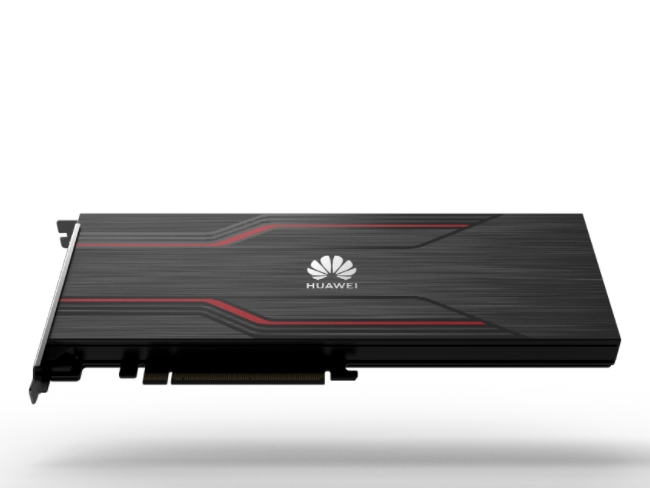
Huawei Atlas 300I Duo Reasoning Card Dual-chip AI Inference Accelerator
The Atlas 300I Duo inference card integrates "general-purpose processor, AI Core, and codec" into one,offering Al inference, video analysis, and other functions. It boasts powerful computing power, ultra-high energy efficiency, and high-performance video analysis, making it widely applicable in scenariossuch as the internet, smart cities, and smart transportation. It supports multiple applications includingsearch clustering, content moderation, OCR recognition, speech analysis, and video analysis.
1. Key Specifications
- Processors: 2 x Ascend 310P AI Processors (16 Da Vinci AI cores and 16 Huawei CPU cores per chip).
- Compute Power: 280 TOPS INT8 and 140 TFLOPS FP16 (combined across both chips; 140 TOPS and 70 TFLOPS per chip).
- Memory: 48GB or 96GB LPDDR4X with ECC, providing 408 GB/s total combined bandwidth (roughly 204 GB/s per chip as memory is not pooled).
- Form Factor & Power: Single-slot PCIe Gen 4 x16 card with a 150W passive cooling design.
- Media Engine: Built-in hardware decoding for 256 channels of 1080p30 or 32 channels of 4K60.
2. Performance and Ecosystem Limitations
- Software Stack: It relies on Huawei's proprietary CANN architecture rather than CUDA. Mainstream tools like Ollama or standard GGUF workflows face heavy instability, requiring specific backends or workarounds (such as GPUStack or custom llama.cpp builds).
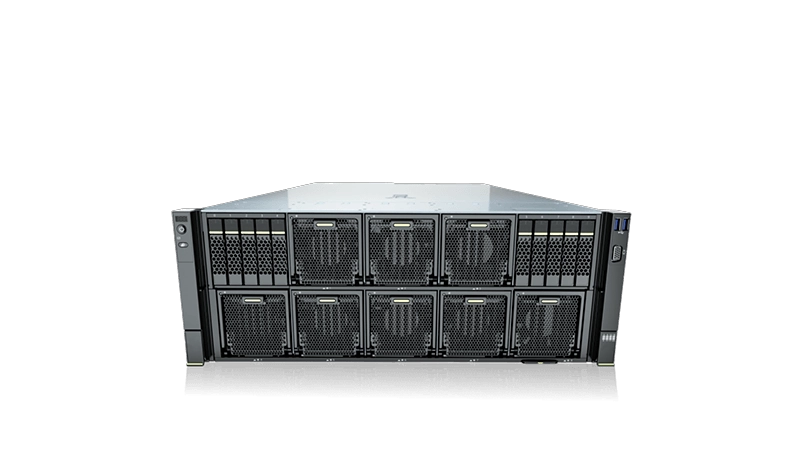
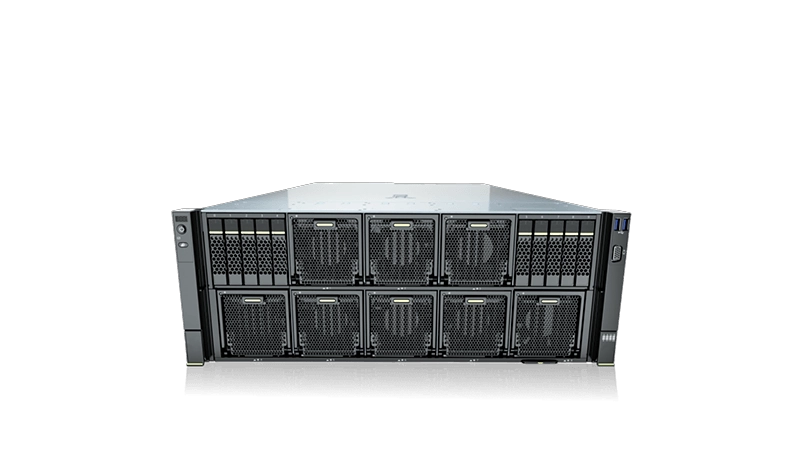
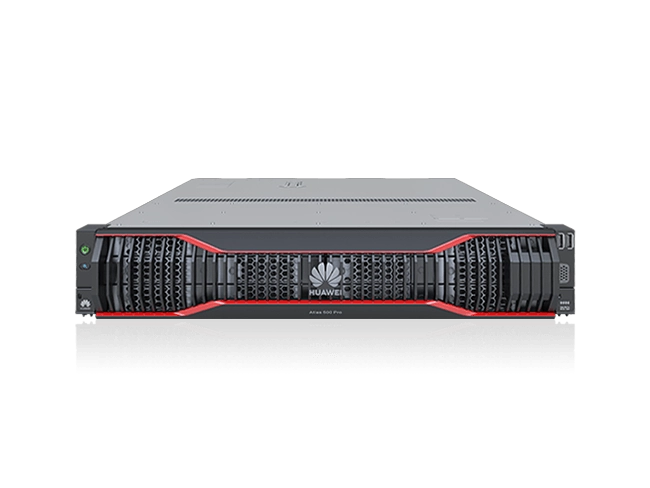
- Hardware Compatibility: Most standard desktop motherboards and consumer systems cannot easily boot or power the card properly; it is officially designed and validated for specific enterprise servers like the Huawei Atlas 800.
- Community Consensus: Most users on TechPowerUp Forums and r/LocalLLaMA agree that while the price-to-VRAM ratio is unmatched for budget local large language model (LLM) experimentation, the driver headaches, lack of plug-and-play support, and split-chip memory constraints make it a project card rather than a drop-in replacement for NVIDIA hardware.
3. Technical specifications
|
|
|
|
|
|
|
|
|
|
|
|
|
|
|
|
|
|
Tag:
- Other Products